
How Fleet Uptime Directly Impacts Customer Satisfaction
How Fleet Uptime Directly Impacts Customer Satisfaction
Posted on August 20, 2026
Customers may never see what happens behind the scenes of a fleet operation. They do notice when a shipment arrives late.
That is why fleet uptime matters far beyond the maintenance department. Every truck that stays on the road helps a business keep its schedule. It also makes it easier to give customers the service they were promised.
Freightliner puts a strong focus on uptime through its trucks, connected technology and service network. The goal is simple. Keep vehicles productive and reduce unnecessary time in the shop.
A Late Truck Can Become a Customer Problem

One unexpected breakdown can affect more than one delivery. The driver may lose hours. Another truck may need to cover the route. Dispatch may have to change schedules. The customer sees the final result. Their order is late or their delivery window changes.
Frequent delays can slowly reduce confidence. Customers want to know that a business can do what it says. Strong uptime helps make that possible.
For fleets working around Strathroy and throughout Southwestern Ontario, this can be especially important during busy seasons or difficult winter conditions. A reliable truck helps the whole operation stay closer to plan.
Knowing About a Problem Earlier Changes Everything
A warning light does not always tell a fleet manager how serious a problem is. Connected tools can provide more information before a decision is made.
Detroit Connect Virtual Technician can send fault information from the truck. Freightliner says the system helps fleet managers understand critical fault events and make faster service decisions. On Freightliner trucks equipped with Detroit engines, Virtual Technician is standard.
That can help a fleet decide whether a truck needs immediate attention or whether service can be planned at a better time. Better information can mean fewer surprises for the customer too.
Planned Maintenance Is Easier Than an Unexpected Stop
Regular maintenance may take a truck off the road for a short time. An unplanned failure can keep it down much longer.
Freightliner recommends regular maintenance and pre trip inspections as two ways to support better uptime. It also highlights Remote Updates and Virtual Technician as tools that can reduce unnecessary shop time.
Planned service gives a fleet more control. Managers can schedule work around quieter periods. Routes can be reassigned before customers are affected. That is very different from trying to solve a breakdown in the middle of a delivery day.
Faster Service Helps Protect the Schedule
When a truck does need repairs, the speed of the service process matters. Freightliner’s Elite Support program is designed around uptime. Participating dealers use Express Repair for qualifying jobs and place an emphasis on communication during the repair process. Freightliner also offers an Uptime Management Suite that uses service technology to help get vehicles back on the road.
For a fleet operator, faster decisions can make it easier to protect delivery commitments. For the customer, that can mean fewer excuses and more predictable service.
Reliable Trucks Help Build Reliable Relationships

Customer satisfaction is often built through small promises that are kept consistently. A delivery arrives when expected. A service appointment happens on schedule. A customer does not need to call twice to find out where a truck is.
Fleet uptime supports all of those moments. It also helps dispatchers and drivers work with less disruption. When operations run smoothly, employees have more time to focus on the customer instead of solving avoidable problems.
Keep More of Your Fleet Where It Belongs
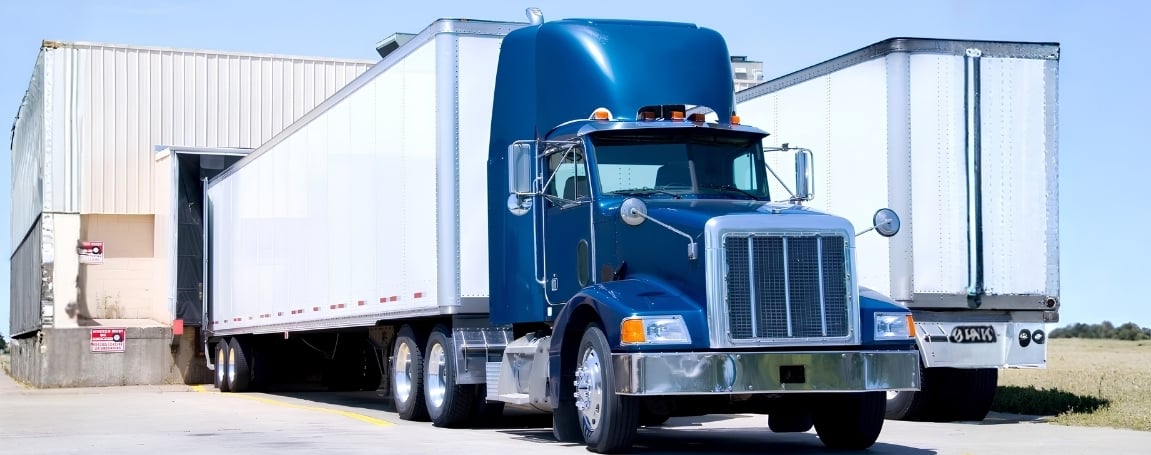
The best place for a working truck is out earning kilometres, not sitting longer than necessary waiting for service.
Visit Metro Freightliner to discuss service support, Freightliner trucks and connected uptime solutions for your fleet. The team can help you look at ways to keep your operation moving and make downtime easier to manage.
Because when your trucks stay dependable, it becomes much easier for your customers to depend on you.