
How to Choose Between OEM and Aftermarket Parts for Your Commercial Truck
How to Choose Between OEM and Aftermarket Parts for Your Commercial Truck
Posted on December 13, 2025
Every commercial truck owner reaches this decision at some point. A part needs to be replaced. The question comes up quickly. Should OEM parts be used or should aftermarket parts be chosen. This choice matters more than many people think. Your truck works hard every day. The right parts help keep it reliable and safe. A clear understanding makes the decision easier.
What OEM Parts Really Mean
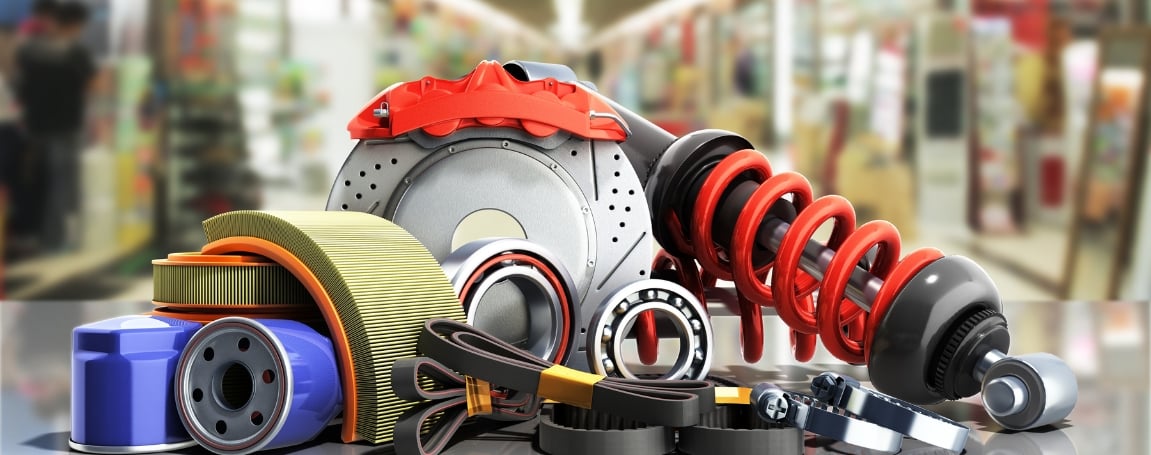
OEM parts are made by the same manufacturer that built your truck. These parts are designed to match factory specifications. Fit and performance are kept consistent. Installation usually feels straightforward because everything lines up as expected. For Canadian commercial trucks, this can mean better reliability in changing weather. Cold winters and long highway runs are handled with confidence. OEM parts are often chosen for peace of mind.
Why Aftermarket Parts Get Attention
Aftermarket parts are made by companies other than the original manufacturer. These parts are designed to work with your truck but may come in many versions. Some are built to meet or exceed factory standards. Others focus on affordability. Pricing is often lower, which can help manage maintenance budgets. For fleet owners, this can make a big difference over time. The right aftermarket part can perform well when chosen carefully.
How Cost Fits Into the Decision

Cost is usually the first thing considered. OEM parts often come with a higher price. That cost reflects factory testing and brand backing. Aftermarket parts usually cost less upfront. This can be helpful when multiple trucks need service. However, cheaper does not always mean better value. A part that wears out faster may cost more in the long run. Balance is always needed.
Performance and Reliability Matter Most
Commercial trucks are not weekend vehicles. They run daily and carry heavy loads. Reliability matters more than anything. OEM parts are built to work exactly as intended. Aftermarket parts vary by brand and quality. Some perform extremely well. Others may not last as long. Knowing where the part is being used helps guide the choice. Critical engine or safety components often benefit from OEM options.
Warranty and Long Term Protection

Warranty coverage should always be considered. OEM parts often protect existing vehicle warranties. This is important for newer trucks. Aftermarket parts may have their own warranties, but coverage can vary. For businesses running newer Canadian models, this difference can matter. Protecting long term investment helps avoid surprises later. Clear warranty details should always be checked before installation.
Local Driving Conditions Play a Role
Ontario driving conditions affect part performance. Cold winters, wet springs, and long highway distances put stress on every component. Trucks operating near Strathroy may see a mix of city and highway use. Parts need to handle frequent stops and long hauls. OEM parts are tested for these conditions. High quality aftermarket parts can also perform well when designed for Canadian use.
Making the Right Choice Feels Personal
There is no single answer for every truck. Some owners prefer OEM for consistency and confidence. Others prefer the aftermarket for flexibility and cost control. The best choice depends on the truck, its workload, and how long it will be kept. Talking with experienced technicians helps clarify options. Informed decisions always lead to better results.
Get Expert Help at Metro Freightliner
Choosing between OEM and aftermarket parts does not have to be stressful. Expert guidance makes a big difference. Visit Metro Freightliner in Strathroy to speak with professionals who understand commercial trucks. The right part can be recommended based on your needs. Your truck deserves parts that keep it working strong every day.